

Where Should Ashes Rest? Is a Gravestone Still Part of the Journey?
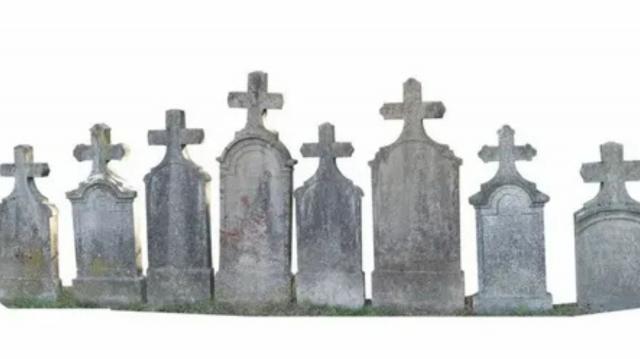
When someone passes away, their family wants to remember and honor them in a meaningful way. Today, more families are choosing cremation, which means turning the body into ashes using heat. Cremation gives families more options, but it also brings up an important question: Where should the ashes rest? And do you still need a gravestone?
Even though cremation is different from a traditional burial, many families still find comfort in having a gravestone. A gravestone for cremation can be a lasting way to remember someone, even if they are not buried in a traditional way.
Why Families Choose Cremation?
Cremation is becoming more common for several reasons. It usually costs less than a traditional burial. It also gives families more time and freedom to plan a service or celebration of life. Some people like cremation because it's better for the environment, and others simply feel it fits their wishes better. But even after choosing cremation, many families still want a place to visit and remember their loved one. That's where a gravestone can still be part of the journey.
What Is a Gravestone for Cremation?
A gravestone for cremation is a stone marker that honors someone who was cremated. It may mark a place where the ashes were buried, placed in a niche (a small space in a wall), or even where they were scattered. The gravestone can include the person's name, dates, a message, or a design that shows who they were.
It's a way to keep their memory alive and give others a place to come, reflect, and feel close to them.
Why a Gravestone Still Matters
1. A Place to Visit
When someone dies, people often want a special place to remember them. Even if the ashes are not buried in a cemetery, a gravestone in a garden or memorial park can give the family a place to visit.
2. Telling Their Story
A gravestone can share important details about a person's life. This helps future generations learn about their family and feel connected to their history.
3. Keeping Memories Alive
Having a physical marker helps people feel close to their loved ones. It gives them a way to show respect and feel comforted.
Different Types of Memorials for Ashes
Families can choose from many types of memorials after cremation:
- A headstone in a cemetery where the ashes are buried.
- A special bench or monument that holds ashes and includes a message.
- A plaque on a wall if the ashes are placed in a columbarium.
- A stone in a backyard garden for private remembrance.
Each of these options includes a gravestone for cremation, and each one can be designed in a way that feels personal and meaningful.
Final Words
Cremation changes how we say goodbye, but it doesn't take away the need to remember. A gravestone for cremation helps families create a lasting tribute. It gives them a place to visit, a way to tell their loved one's story, and a symbol that keeps memories alive.
Even after cremation, a gravestone can still be an important part of the journey.